


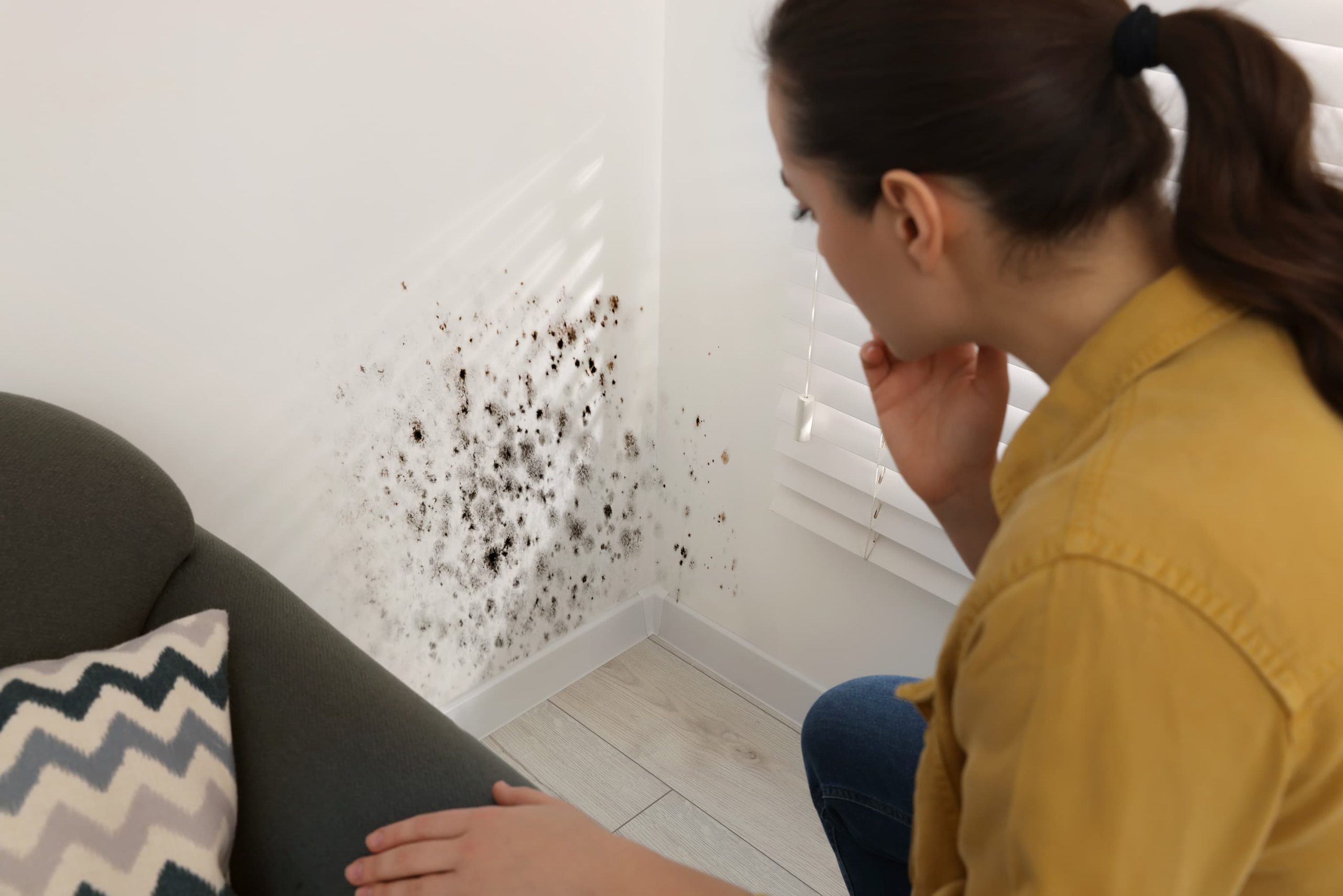
The Orlando real estate market is hotter than ever. Homes are flying off the market faster than most buyers and sellers ever imagined. But with such high demand, not every home is perfect. Some properties hide surprises, and one of the most common worries is mold. If you’re buying a home, discovering mold can feel overwhelming, raising questions about safety, cost, and whether you’re making a wise investment. If you’re selling, even a small mold issue can cause sleepless nights, wondering if buyers will back out or demand expensive repairs.
The good news? Mold doesn’t have to be a dealbreaker. With the right knowledge, preparation, and professional guidance, you can navigate the process of buying or selling a home with mold safely and confidently. In this guide, we’ll walk you through what you need to know to protect your home, your investment, and your peace of mind.
How to Sell a House With Mold
Mold doesn’t have to prevent a sale, but it does require careful handling. In Florida, sellers are legally required to disclose any known issues that materially affect a property’s value, including mold and water damage, whether or not the buyer explicitly asks about it. This obligation stems from general disclosure requirements under Florida law and court precedent, not from a specific mold statute. Still, it applies to latent defects that aren’t obvious to a buyer.
Failing to disclose known mold problems can lead to legal and financial issues down the road, so full transparency protects you and the transaction process.
Mold doesn’t have to prevent a sale, but it does require careful handling. Florida law requires sellers to disclose past or present mold issues to potential buyers. Full transparency protects you legally and ensures a smoother transaction.
Can I Sell a House With Mold?
You can sell a house with mold. It is not illegal in Florida to sell property that has mold issues. However, sellers must disclose any known mold or water damage that could affect the home’s value. Potential buyers can terminate the contract if mold is discovered during the inspection period.
Being upfront about mold helps build trust and reduces the risk of disputes or costly post-sale claims.

Selling a Home With Mold: What You Need to Know
Selling a home with mold requires planning. Minor surface mold or moisture staining may not deter buyers, especially if you provide documentation about the issue and any steps taken to mitigate it. Larger infestations, structural concerns, or mold in hidden areas, such as behind drywall, can raise red flags for home inspectors.
Many buyers will request an independent inspection; if mold is discovered, they may request remediation, a price reduction, or credits toward the cost of remediation. You may also address visible mold before listing to increase buyer confidence and sell faster at a higher price..
Selling a House After Mold Remediation
Homes that have undergone professional mold remediation can be marketed more confidently. Remediation involves safely removing mold and addressing underlying causes, such as water leaks or high humidity. Prospective buyers feel more comfortable when you provide documentation showing that remediation was completed by professionals using industry-standard methods.
This level of transparency not only builds trust but can help maintain or increase your property’s value during negotiations.
Selling a House With Black Mold
Black mold, often associated with Stachybotrys species, can be more concerning for health and structural reasons. Mold growth can begin shortly after water exposure in warm, humid environments like those in Florida, sometimes within 24–48 hours if moisture persists.
If your home has black mold, consider professional remediation before listing. Even if selling “as-is,” disclose this information and provide remediation reports or inspection results so buyers understand the situation and feel protected throughout the process.
How to Buy a House With Mold
It makes sense to be cautious about a house with mold. Mold inside of an Orlando home doesn’t automatically mean you need to forget that one, pull your offer, and move on to another option. After you assess the situation and see what you’re dealing with, it is quite possible you simply need to remove mold from the house.
That’s not to say you should rush towards closing day without concern. Depending on the severity of the mold issues, professional mold remediation services could range from a few hundred dollars to thousands of dollars. With your real estate agent’s help, you can reach an agreement for it to be fixed before you close on the home.
The seller can be responsible for fixing the cause of the mold, making HVAC updates, purchasing and installing a dehumidifier, or providing funds for mold remediation as part of the seller’s concessions. If the home is being sold “as-is” and the seller does not want to deal with the existing mold problem, make sure the price of the home reflects the issues you’ll end up having to take care of in the weeks and months to come.
Tips for buyers:
- Schedule a detailed inspection that includes mold assessment.
- Review any remediation or repair history provided by the seller.
- Account for remediation costs in your offer price or negotiation.
Remember: mold grows where moisture persists, so understanding the cause is as important as removing the mold itself.
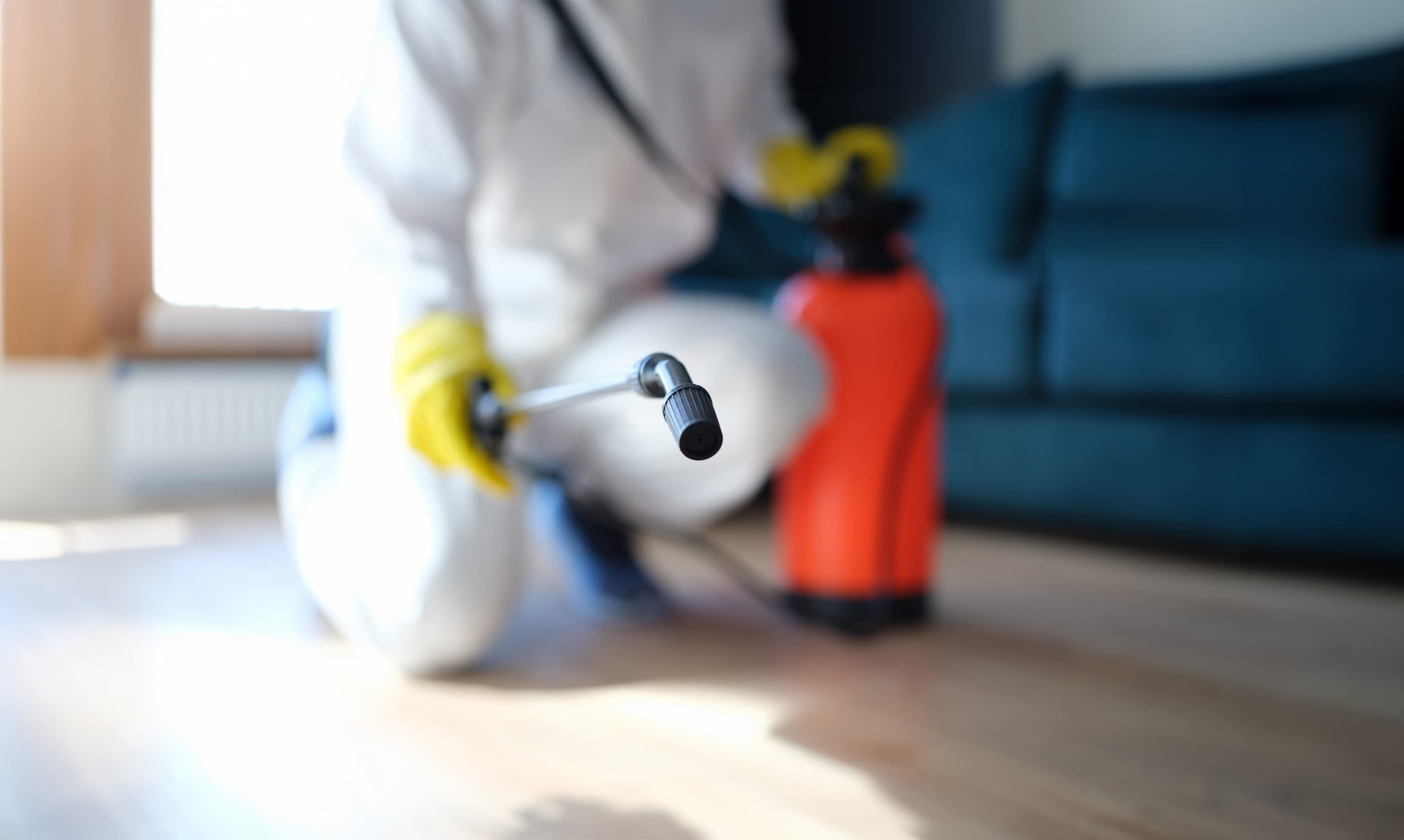
Hire Professional Mold Remediation Services
Whether you’re buying or selling a home with mold, hiring professional mold remediation services is crucial. Experts can identify hidden mold, locate moisture sources, and remove mold safely using industry best practices. Certified professionals also handle containment and cleanup, minimizing the risk of cross-contamination throughout the property.
Left unchecked, mold can spread rapidly, affecting indoor air quality and structural integrity. The Centers for Disease Control and Prevention (CDC) notes that mold growth in buildings is a sign of excessive moisture and should be addressed promptly.
At Mold Remediation of Orlando, we provide comprehensive mold inspection and remediation services. Call us at 407-965-5722 for a free on-site mold test and expert guidance on next steps.
