


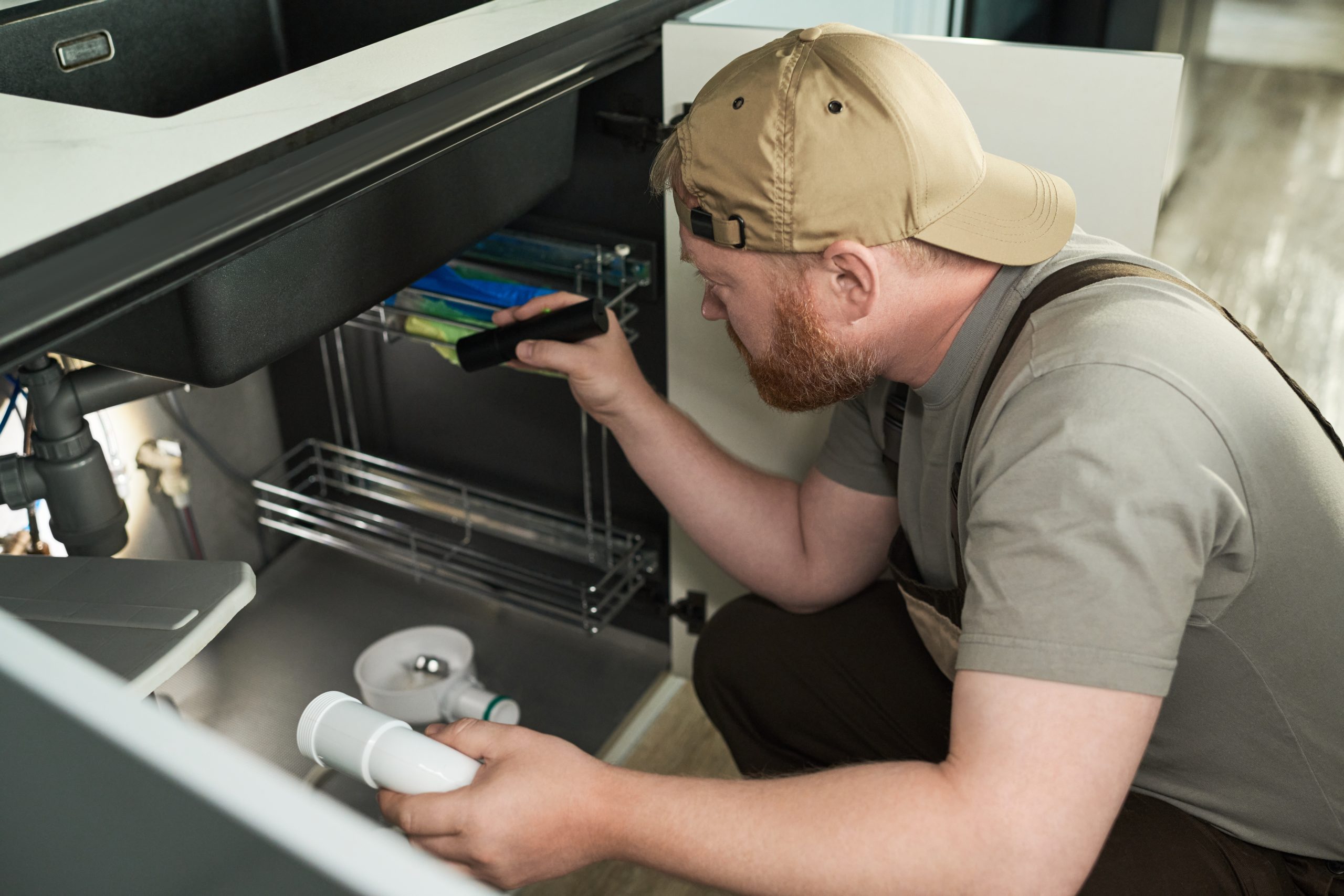
Finding mold under sink cabinets is more common than many Orlando homeowners realize. Small plumbing leaks, trapped moisture, and Florida’s humid climate can create ideal conditions for mold growth.
Whether you’ve noticed a musty smell or visible discoloration, identifying the source early can prevent extensive cabinet damage. Here’s what causes mold under kitchen sink areas, how to recognize hidden problems, and when professional help becomes necessary.
Why Mold Grows Under the Sink
Slow Leaks From Supply Lines and Drain Pipes
Loose fittings, worn seals, and leaking drain pipes can release moisture without creating noticeable puddles. Over time, damp wood and organic material provide conditions where mold spores can grow, particularly when leaks remain undetected.
Condensation and Poor Airflow in Closed Cabinets
Cold water pipes may develop condensation when exposed to warm, humid air. Without proper ventilation, enclosed cabinets retain moisture, increasing the likelihood of mold problems and persistent dampness.
Orlando Humidity and Kitchen Moisture
Orlando’s humid conditions can make damp cabinets harder to dry. Cooking steam, plumbing leaks, and limited airflow may contribute to persistent moisture, particularly during Florida’s rainy season.
Signs of Mold Under Your Sink
Musty Odor When You Open the Cabinet
A persistent musty odor is often one of the earliest signs of mold. If the smell returns after cleaning, moisture or hidden mold may remain behind cabinet surfaces.
Stains, Warping, or Soft Spots on the Cabinet Floor
Discoloration, peeling finishes, and swollen particleboard may indicate prolonged water damage. Soft cabinet floors can also suggest that moisture has weakened the underlying materials, potentially requiring repairs.
Visible Spots on Pipes, Walls, or Stored Items
Dark, green, or white patches may indicate microbial growth on nearby surfaces. However, appearance alone cannot confirm whether discoloration is black mold or another substance.
Inspect plumbing connections, stored cleaning supplies, and cabinet corners for additional signs of mold. These areas often retain moisture that may go unnoticed during routine cleaning.
Mold in the Cabinet Under the Sink: How Far Can It Spread?
Particleboard and Cabinet Base Damage
Mold in cabinet under sink spaces can penetrate damaged particleboard and other porous materials. Once these surfaces absorb moisture, cleaning the mold from the exterior may not resolve contamination inside.
Mold Behind the Cabinet Wall
Persistent leaks can allow moisture to reach drywall behind the cabinet. Mold may develop out of sight, particularly when the wall remains damp for extended periods, making hidden damage difficult to identify.
Spread to Other Kitchen Cabinets
Mold in kitchen cabinets can affect adjoining sections when moisture travels through shared walls, flooring, or cabinet bases. Identifying the water source helps determine how far the damage extends and whether additional materials require attention.
Mold Under and Behind the Dishwasher
Hidden Leaks From Dishwasher Hoses and Seals
Loose supply hoses, damaged door seals, and drainage problems may cause mold behind dishwasher units. These leaks often remain unnoticed because appliances conceal affected surfaces, allowing moisture to accumulate over time.
Mold in a Dishwasher vs. Mold Around It
Mold in a dishwasher may develop around damp seals, filters, and trapped food particles. Routine cleaning and an appropriate wash cycle can help maintain the appliance and reduce residue buildup.
However, mold under dishwasher units usually indicates a separate moisture problem. This condition requires inspection beyond the appliance interior to identify potential leaks.
Signs the Subfloor Is Affected
Soft flooring, loose tiles, or persistent odors near the dishwasher may indicate moisture beneath the surface. These conditions deserve attention before structural deterioration progresses or damage spreads into surrounding kitchen materials.
What to Do When You Find Mold Under the Sink
Find and Stop the Leak First
Before attempting mold removal, identify the moisture source and determine whether plumbing repairs are necessary. Shut off the affected water supply when needed to prevent additional damage while arranging repairs.
Cleaning Small Surface Spots Safely
Small areas of growth on hard, nonporous surfaces may be cleaned with appropriate detergent and water. Thorough drying afterward is essential to prevent moisture from remaining on the affected surface.
Wear protective equipment and avoid disturbing contaminated materials unnecessarily. People with respiratory conditions or a weakened immune system should avoid handling mold.
Why Bleach and Quick Fixes Fall Short
Bleach, baking soda, and surface sprays cannot reliably eliminate mold embedded in porous materials. Our article explaining why bleach is ineffective on mold-damaged drywall explores this limitation.
Covering stains without addressing the underlying moisture allows mold issues to return. Proper treatment focuses on both contamination and the conditions supporting its growth.
When Mold Under the Sink Needs Professional Remediation
Recurring Growth After Cleaning
When mold returns despite repeated cleaning, hidden moisture or contamination may remain. Professional mold remediation can help identify affected materials and address contamination beyond visible surfaces.
Water Damage Inside Walls or Flooring
Moisture trapped beneath cabinets can affect drywall, insulation, and subflooring. Our water damage restoration services help address affected areas and support proper drying before repairs.
What the Remediation Process Looks Like
At Mold Remediation of Orlando, we assess moisture conditions and develop an appropriate remediation plan. Depending on the damage, the process may involve containment, removal of affected materials, cleaning, and drying.
Our professional mold remediation services focus on addressing contamination and helping prevent future growth.
How to Prevent Mold in Kitchen Cabinets
Preventing moisture buildup is essential for protecting cabinets and nearby flooring. Simple maintenance habits can reduce the likelihood of recurring mold problems.
- Check pipes regularly: Inspect fittings, drain connections, and supply lines for moisture.
- Improve airflow: Keep cabinet interiors dry and address excessive indoor humidity.
- Store items carefully: Avoid overcrowding cabinets and placing wet products against wood surfaces.
- Respond quickly: Repair leaks and dry affected areas before moisture spreads.
These precautions can help homeowners identify problems before extensive repairs become necessary.
Get Help With Mold Under Your Sink in Orlando
Mold beneath kitchen cabinets can signal hidden leaks and moisture damage. Addressing these conditions early helps protect your home from further deterioration.
At Mold Remediation of Orlando, we offer free on-site assessments to evaluate suspected mold and moisture problems. Contact our team to discuss your concerns and schedule an inspection.
FAQs
Is mold under the kitchen sink dangerous?
Mold exposure can cause irritation or allergic reactions in some people, especially those with asthma or weakened immune systems. The potential health risks depend on individual sensitivity and exposure conditions.
Do I need to replace my cabinet if it has mold?
Not always. Hard, nonporous surfaces may be cleaned, but severely damaged particleboard or other porous materials may require replacement.
Does homeowners insurance cover mold from a sink leak?
Coverage depends on your policy and the cause of the leak. Sudden, accidental water damage may qualify, while gradual leaks are often excluded. Read our guide to mold remediation insurance coverage for additional information.
How quickly can mold grow after a leak?
Mold can begin growing within 24–48 hours under favorable moisture conditions. Learn more about how water damage can lead to mold and why prompt drying matters.
