


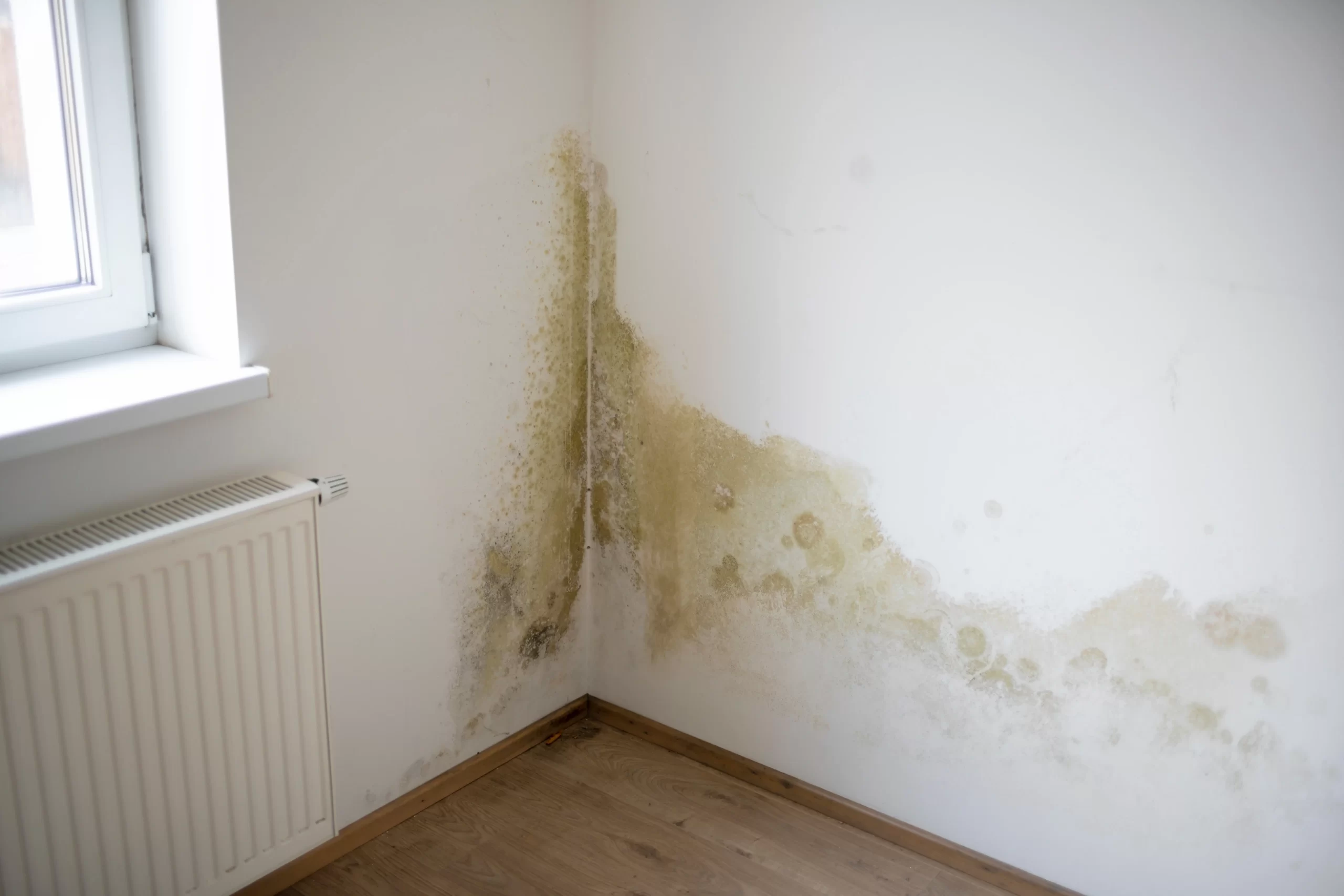
Mold can quickly become a serious issue in homes and commercial buildings, especially in humid environments like Orlando. When property owners discover mold in your home, some attempt a quick cosmetic fix by painting over the affected areas. Unfortunately, covering mold with paint does not eliminate the underlying mold problem. Instead, it often traps the contamination and allows the issue to worsen behind walls, ceilings, or other surfaces.
Painting over existing mold may temporarily hide stains, but the fungal growth continues spreading within building materials. Over time, this leads to hidden mold damage, structural deterioration, and potential health risks for occupants. Understanding why paint cannot solve a mold issue helps property owners avoid costly mistakes and protect their indoor environments.
What Actually Happens When You Trap Mold Under a Layer of Paint?
When mold is sealed under a layer of paint, the underlying moisture and spores remain active. Mold thrives in environments with excessive moisture, organic materials, and limited airflow. Painting over contaminated surfaces simply traps the mold beneath a coating while allowing it to continue feeding on drywall, wood, and other building materials.
Instead of stopping growth, paint can actually create conditions that allow mold to spread further.
Some consequences of painting over mold include:
- Continued mold growth behind walls and ceilings
- Gradual weakening of drywall, wood, and insulation
- Persistent musty odors in living spaces
- Increased risk of long-term mold damage
- Reduced indoor air quality
In many cases, mold continues spreading unseen for months or years, affecting larger square feet of the property before the problem becomes visible again.
The Myth of “Mold-Killing” Primers and Miracle Paints
Many homeowners believe specialty coatings can eliminate mold. A common question is does kilz kill mold, but the answer is more complicated than most marketing suggests.
Primers and coatings marketed as mold-blocking products are designed to resist new growth on clean surfaces. However, these products cannot eliminate existing mold embedded inside porous materials.
This misunderstanding fuels the widespread mold resistant paint myth. While certain coatings may help with preventing mold growth in dry environments, they are not a solution for active contamination.
These paints may:
- Cover discoloration caused by mold and mildew
- Provide limited resistance to surface moisture
- Delay visible mold stains from reappearing
However, if a moisture problem remains or mold has already penetrated the surface, the paint simply conceals the damage temporarily.
How Active Mold Eats Through Fresh Paint from the Inside Out
Mold organisms break down organic matter as they grow. When mold remains beneath painted surfaces, it continues digesting drywall paper, wood fibers, and other materials.
Eventually, this leads to visible deterioration as mold eating through paint begins to appear. The paint layer weakens and separates from the surface as the mold colony expands beneath it.
Warning Signs: Bubbling, Peeling, and Chipping Paint
One of the first signs that mold has been painted over is damage to the painted surface.
Watch for these warning signs:
- Bubbling paint along walls or ceilings
- Peeling or cracking surfaces
- Chipping paint in irregular patches
- Dark spots bleeding through the coating
These symptoms often indicate mold activity beneath the surface and growing damage in the affected areas.
The Musty Odor That Won’t Go Away
Another strong indicator of concealed mold is a persistent musty smell.
Even if the surface appears freshly painted, a lingering odor suggests ongoing microbial growth behind walls or under flooring. These musty odors often worsen in humid conditions and may signal a larger hidden contamination problem.
The Severe Structural Damage Caused by Ignored Mold
When mold remains untreated, it continues feeding on organic materials within the structure. Over time, this can weaken structural components and increase repair costs significantly.
Some consequences of long-term hidden mold damage include:
- Rotting wood framing
- Damaged drywall and insulation
- Compromised ceilings or flooring
- Deterioration of subfloors and supports
- Expanding contamination across multiple rooms
Beyond property damage, mold exposure can also contribute to health problems such as respiratory irritation, allergies, headaches, and other symptoms. Certain species, including black mold, may create additional health risks, especially for individuals with asthma or compromised immune systems.
How to Identify Areas Where Mold Has Been Illegally Painted Over
In some cases, mold may be intentionally hidden before a property sale or renovation. Identifying painted-over mold early can prevent serious financial and health consequences.
Signs that mold may have been concealed include:
- Recently painted walls with lingering musty odors
- Discolored areas showing through new paint
- Paint bubbling in humid rooms such as bathrooms or basements
- Uneven paint textures over damaged drywall
- Visible water stains beneath new coatings
If any of these signs appear, it is important to investigate further. Mold often spreads behind walls and under flooring, meaning the visible damage may only represent a small portion of the total contamination.
The Proper Process: Complete Remediation Before Renovation
The only safe solution for a mold issue is full remediation before any cosmetic improvements are made. Professional remediation eliminates the source of contamination rather than simply covering it.
Effective mold removal typically involves several critical steps.
Identifying and Fixing the Moisture Source First
Every mold problem begins with moisture. Without addressing the root cause, mold can return quickly even after cleanup.
Professionals first identify issues such as:
- Plumbing leaks
- Roof damage
- Condensation from HVAC systems
- Poor ventilation
- Flooding or water intrusion
Resolving the moisture problem is essential for permanently preventing mold growth.
Professional Removal and Anti-Microbial Sealing
After the moisture source is resolved, trained specialists remove contaminated materials and treat affected surfaces.
The remediation process may include:
- Containment of contaminated areas
- HEPA air filtration to protect indoor air quality
- Removal of damaged drywall or insulation
- Anti-microbial treatment of structural surfaces
- Sealing cleaned areas to prevent future contamination
This comprehensive approach ensures that mold spores are removed safely and prevents the mold issue from returning.
Why Cutting Corners Costs Much More in the Long Run
Painting over mold might appear cheaper in the short term, but it often leads to significantly higher costs later.
Ignoring a mold problem can result in:
- Major structural repairs
- Expensive remediation across larger square feet of property
- Health complications for occupants
- Reduced property value during resale
Investing in professional remediation early helps avoid these costly outcomes while protecting both property and occupant safety.
Trusting Orlando’s Experts for Permanent Mold Removal Solutions
When dealing with mold, professional remediation is essential to eliminate contamination safely and restore healthy indoor environments. Experienced specialists can identify hidden growth, repair underlying moisture issues, and fully remove mold before it spreads further.
If you suspect hidden mold in your property, contact Mold Remediation of Orlando today. Our experts provide professional inspections and complete remediation services to eliminate mold safely and restore healthy indoor environments.
