


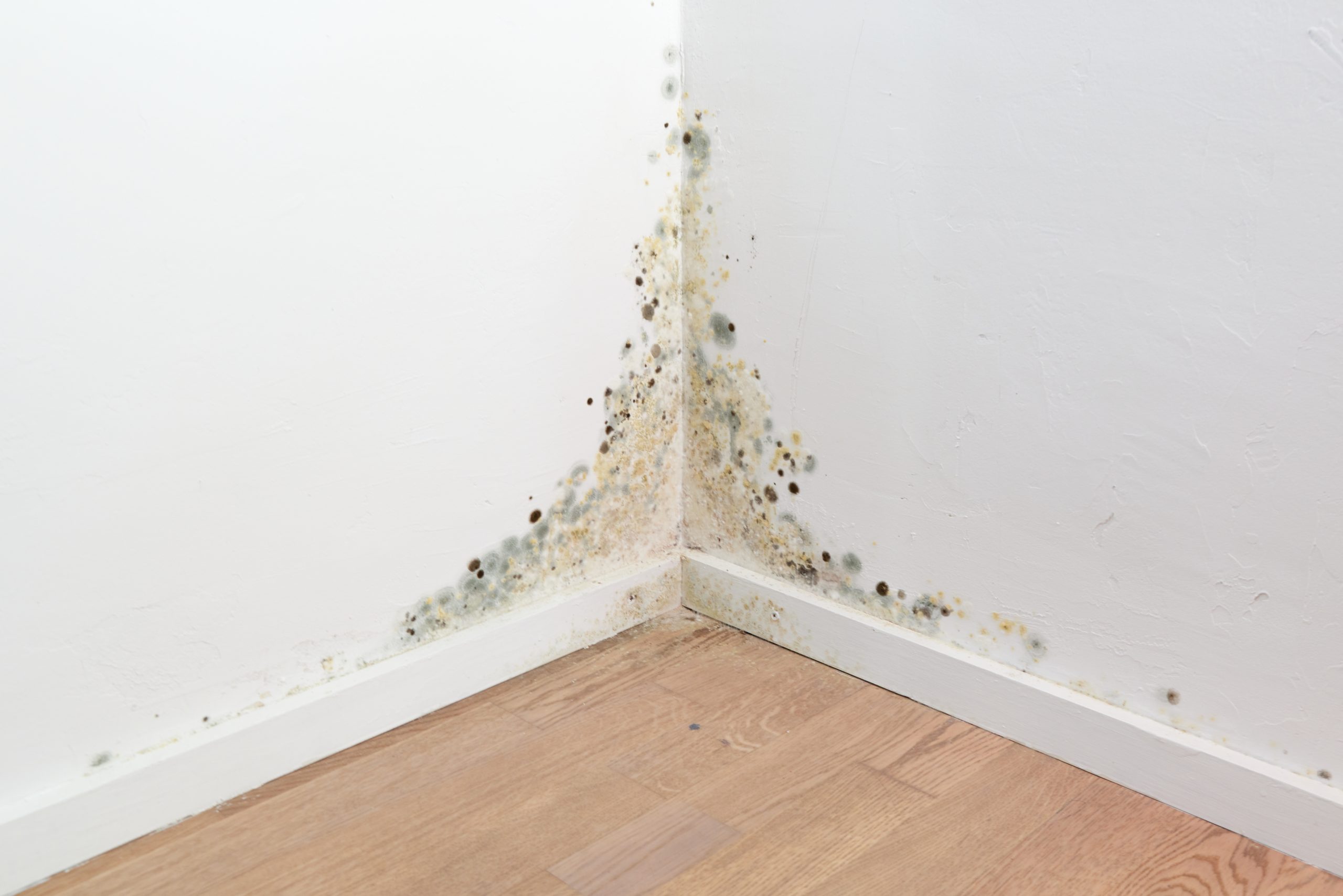
Buying or selling a home is a major financial decision, and hidden mold can complicate the transaction for everyone involved. Orlando’s warm, humid climate creates favorable conditions for mold growth, especially in properties with roof leaks, plumbing problems, poor ventilation, or previous water damage.
A professional real estate mold inspection in Orlando can identify visible and hidden concerns before they lead to unexpected expenses, repair negotiations, or closing delays. By addressing mold early, buyers can make informed decisions while sellers can present their properties with greater confidence.
Why Mold Matters in Real Estate Transactions
Mold is more than an unpleasant stain or musty smell. It can indicate an active moisture problem and may affect building materials, indoor air quality, and a property’s perceived value. Even a small visible area can raise questions about what may be growing behind walls, beneath flooring, or inside HVAC components.
How Mold Can Delay or Derail a Sale
When a general home inspection uncovers possible mold, buyers may request additional testing before continuing with the purchase. The transaction may then depend on the inspection findings, repair estimates, remediation work, or clearance results.
Unresolved mold can cause:
- Requests for professional mold testing
- Price renegotiations or repair credits
- Delays in appraisals, insurance, or financing
- Extended inspection and closing periods
- Buyers withdrawing under applicable contract terms
Addressing home inspection mold issues promptly helps everyone understand the extent of the problem and determine what should happen next.
Legal and Disclosure Considerations in Florida
Florida sellers may have a duty to disclose known facts that materially affect a property’s value when those facts are not readily observable to buyers. The exact disclosure requirements can depend on the circumstances, contract, and available documentation.
Anyone selling a house with mold in Florida should avoid hiding damage, painting over visible growth, or making unsupported claims about the property. Sellers should discuss their obligations with a qualified real estate professional or attorney. Inspection reports, remediation invoices, moisture repairs, and clearance documents can help demonstrate how a known issue was addressed.
For Buyers: What to Look for Before Closing
A standard home inspection may identify moisture damage or suspected microbial growth, but it is not always a complete mold evaluation. Buyers who notice warning signs should consider a specialized inspection before their due-diligence period ends.
Requesting a Mold Inspection During Due Diligence
A professional mold inspection can include a visual assessment, moisture detection, and air or surface sampling when appropriate. The findings can help buyers understand where mold is present, what may be causing it, and whether professional remediation is recommended.
Schedule the inspection early enough to allow time for laboratory results, contractor estimates, and negotiations. Depending on the contract, buyers may request repairs, seek a credit, renegotiate the price, or reconsider the purchase.
Red Flags During a Home Walkthrough
Pay attention to conditions that could indicate current or previous moisture problems:
- Persistent musty or earthy odors
- Water stains on walls or ceilings
- Peeling, bubbling, or discolored paint
- Warped flooring or swollen baseboards
- Condensation around windows and vents
- Mold-like spots inside cabinets or beneath sinks
- Recently painted areas that do not match surrounding surfaces
- Poor ventilation in bathrooms, attics, or laundry rooms
These signs do not confirm the extent of a problem, but they justify further evaluation.
For Sellers: Getting Ahead of Mold Issues
Discovering mold after accepting an offer can place the entire transaction under pressure. A proactive mold inspection before selling a house gives the owner more time to evaluate the findings, correct the moisture source, and arrange repairs without an approaching closing deadline.
Inspection and Remediation Before Listing the Property
Pre-listing inspections are especially helpful after a roof leak, plumbing failure, appliance overflow, storm, or prolonged HVAC issue. When mold is found, professional real estate mold cleanup can address affected materials while helping sellers prepare clear documentation for prospective buyers.
Completing mold remediation for a home sale before listing may reduce surprises during the buyer’s inspection. It can also allow the property to be presented honestly, with records showing what was discovered and how it was corrected.
How Fast Remediation Can Keep a Sale on Track
A quick response matters because moisture and mold problems can spread when left untreated. However, speed should not replace a complete process. Effective remediation requires identifying the moisture source, containing the work area, removing unsalvageable materials, cleaning affected surfaces, and properly drying the structure.
The project timeline depends on the affected area, damaged materials, moisture conditions, and whether reconstruction is necessary. Early action provides more flexibility and lowers the likelihood of rushed decisions immediately before closing.
The Real Estate Mold Cleanup Process
Professional cleanup focuses on both the mold and the conditions that allowed it to grow. Simply wiping or painting over a contaminated surface does not address hidden growth or ongoing moisture.
Inspection, Remediation, and Clearance Testing
Mold Remediation of Orlando’s mold remediation process may include:
- Assessing the damage and identifying the moisture source
- Creating a project-specific remediation plan
- Containing affected areas to limit spore movement
- Using drying equipment and HEPA air scrubbers
- Removing contaminated or damaged building materials
- Bio-washing, HEPA vacuuming, and cleaning
- Arranging third-party air clearance testing
- Reconstructing removed or damaged areas when required
People sometimes refer to the final documentation as a mold clearance certificate. In practice, the documents provided may include a post-remediation verification report, laboratory results, or clearance testing records. Buyers and sellers should confirm which documentation their realtor, insurer, lender, or contract requires.
Working With Realtors and Insurers During a Mold-Related Sale
Communication is essential when mold affects a transaction. Buyers, sellers, realtors, inspectors, remediation professionals, insurers, and attorneys may each have different responsibilities. Keeping inspection findings, photographs, estimates, invoices, repair records, and clearance results organized can prevent misunderstandings.
Insurance coverage varies according to the policy and the cause of the moisture damage. Mold related to a sudden covered water event may be treated differently from growth caused by long-term leaks, humidity, or neglected maintenance. Property owners should contact their insurers promptly and avoid assuming that every remediation expense will be covered.
Schedule an Inspection Before Your Next Real Estate Transaction
Do not let an undiscovered moisture or mold problem threaten your Orlando home purchase or sale. Mold Remediation of Orlando provides inspections, remediation, cleanup, third-party clearance testing, and reconstruction support for residential real estate transactions.
Learn more about real estate mold cleanup in Orlando or contact the team to request a professional assessment before your next closing.
