


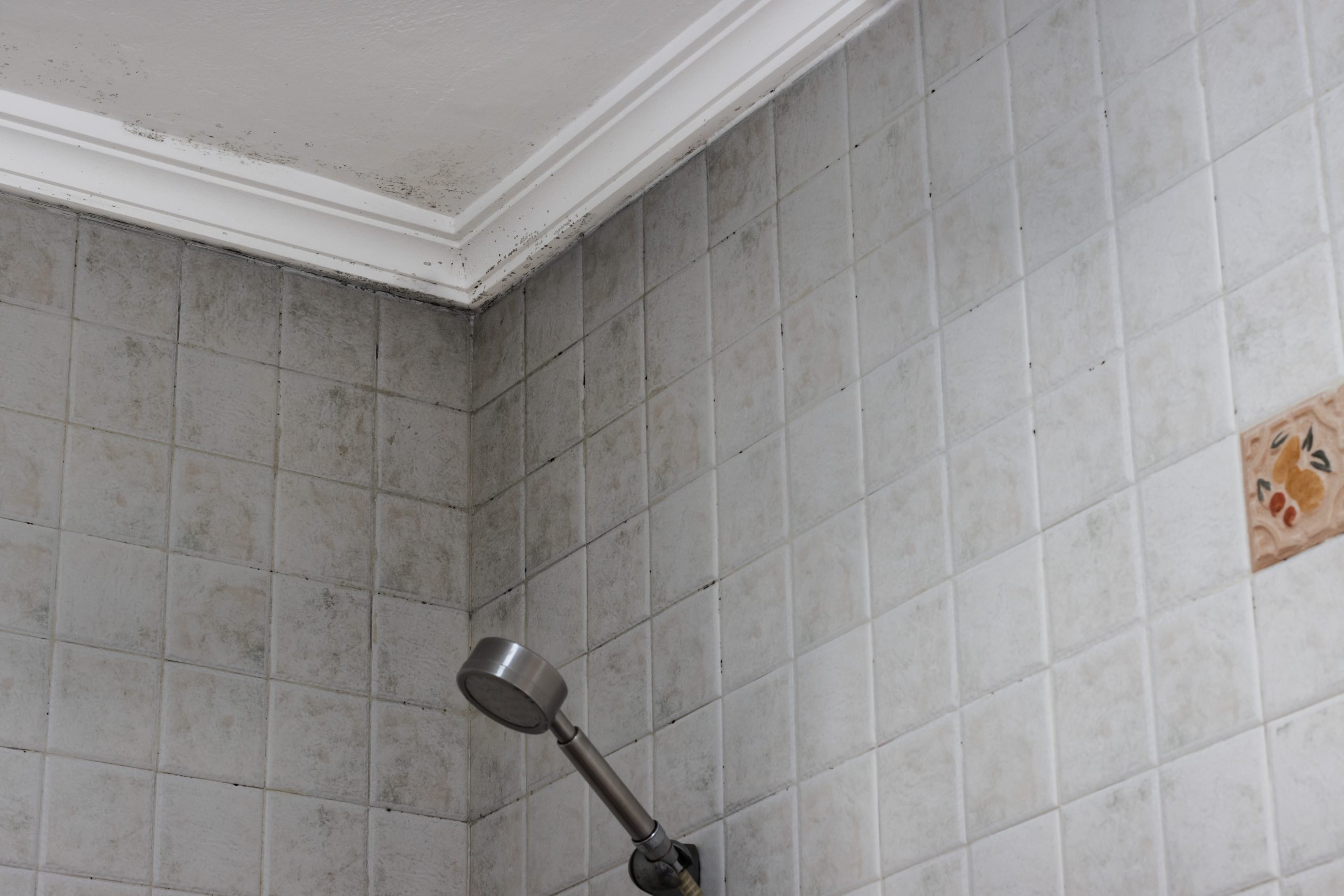
Learning how to get rid of mold in bathroom spaces is essential for homeowners in Orlando, where year-round humidity creates the perfect environment for mold growth. Bathrooms are exposed to constant moisture, making them one of the most common places for mold to develop. This guide explains where mold hides, how to safely handle minor surface growth, and when professional remediation is the best solution.
Why Bathrooms Are a Hotspot for Mold
Bathrooms experience frequent exposure to moisture from showers, baths, and sinks. When combined with Orlando’s high humidity, steam, and condensation create ideal conditions for mold in the bathroom to develop. If moisture is not properly managed, mold can begin growing within a short period of time.
One of the biggest contributing factors is poor ventilation. Without sufficient airflow, moisture remains trapped on walls, ceilings, grout, and other surfaces long after a shower ends. An exhaust fan that is undersized, damaged, or not used consistently allows humidity to build up, increasing the likelihood of mold growth.
Several conditions encourage bathroom mold, including:
- Poor ventilation after bathing
- High indoor humidity
- Leaking plumbing fixtures
- Water is collecting around tubs and showers
- Wet shower curtains
- Damp towels left in enclosed spaces
- Condensation on mirrors and windows
- Inadequate drying of bathroom surfaces
Maintaining proper ventilation by running an exhaust fan during and after showers or opening a window when the weather permits helps reduce moisture buildup and supports a healthier indoor environment.
Where Bathroom Mold Usually Hides
Mold is not always immediately visible. While some colonies appear on tile or grout, many develop in concealed locations where moisture accumulates over time.
Common areas where mold hides include:
- Grout lines between tiles
- Caulk around bathtubs and showers
- The bathroom ceiling
- Behind bathroom mirrors
- Under sinks with slow plumbing leaks
- Behind tile walls
- Around toilets
- Behind cabinets and vanities
- Around windows and window frames
Because many of these are porous surfaces, moisture can penetrate beneath the visible finish. In some cases, what appears to be a small amount of black mold on the surface may indicate a larger hidden problem behind walls or under flooring.
If mold continues returning after repeated cleaning, it is often a sign that moisture is trapped in areas you cannot see.
How to Safely Remove Small Areas of Mold Yourself
Small patches of surface mold can often be cleaned safely when the affected area is limited and has not spread into structural materials. As a general guideline, cleanup is appropriate only for small areas measuring less than approximately 10 square feet.
Before beginning, gather the appropriate supplies:
- Rubber gloves
- Eye protection
- Protective mask
- Soft scrub brush
- Microfiber cloths
- Warm water
- Baking soda
- Hydrogen peroxide
- Mild cleaning solutions
When cleaning small surface mold:
- Turn on the exhaust fan or open windows to improve ventilation.
- Wear protective equipment before disturbing mold.
- Apply a cleaning solution or hydrogen peroxide to the affected surface.
- Gently scrub visible mold using a soft brush.
- Rinse with warm water if appropriate for the surface.
- Wipe all affected areas thoroughly.
- Allow every surface to dry completely before using the bathroom again.
While baking soda and hydrogen peroxide may assist with mold killing on non-porous surfaces, they should only be used for minor surface growth. If mold has penetrated drywall, wood, insulation, or other porous building materials, professional treatment is recommended.
When Bathroom Mold Signals a Bigger Problem
Not every mold problem can be solved with household cleaning products. Some warning signs indicate that moisture has spread beyond the visible surface.
Professional evaluation is recommended when:
- Mold repeatedly returns after cleaning.
- Mold covers large sections of walls or ceilings.
- There is visible black mold spreading across multiple surfaces.
- You notice musty odors inside the walls.
- Paint bubbles or drywall becomes soft.
- Water damage is present behind tile or under flooring.
- Plumbing leaks have gone unnoticed for an extended period.
Recurring mold usually means moisture is entering areas hidden behind walls or beneath flooring. Cleaning only the visible mold does not address the underlying source, allowing colonies to continue growing.
Why Professional Mold Remediation May Be Needed
Professional mold remediation addresses both the visible mold and the underlying moisture problem that caused it. Rather than treating symptoms alone, trained technicians locate hidden water intrusion and remove mold safely using specialized equipment and proven remediation methods.
Professional remediation services typically include:
- Comprehensive property inspection
- Moisture detection technology
- Identification of hidden mold growth
- Containment of contaminated areas
- Safe removal of damaged materials
- Air filtration to reduce airborne mold spores
- Complete cleaning and sanitization
- Verification that moisture sources have been corrected
If mold has spread behind walls, beneath flooring, or inside other concealed spaces, scheduling professional Mold Remediation helps restore a healthier indoor environment while reducing the likelihood of future mold growth.
How to Prevent Bathroom Mold Long Term
Preventing mold is much easier than removing widespread contamination. Consistent maintenance and moisture control significantly reduce the chance of future problems.
Follow these preventive practices:
- Run the exhaust fan for at least 20–30 minutes after showering.
- Improve proper ventilation whenever possible.
- Consider opening a window to increase airflow.
- Wipe down shower walls after each use.
- Keep shower curtains clean and dry.
- Repair plumbing leaks immediately.
- Maintain indoor humidity below recommended levels.
- Replace deteriorated caulk and grout.
- Regularly inspect under sinks for moisture.
- Ensure all surfaces dry completely after cleaning or bathing.
These simple habits help control moisture and reduce the conditions that allow mold to thrive.
Frequently Asked Questions
Does bleach really kill bathroom mold?
Bleach may remove stains from non-porous surfaces, but it often does not eliminate mold growing beneath porous materials. Professional remediation may be necessary for persistent or hidden mold.
Why does mold keep coming back in my shower?
Recurring mold is usually caused by excess moisture, poor ventilation, plumbing leaks, or hidden water intrusion that has not been fully addressed.
Is bathroom ceiling mold dangerous?
Mold on the bathroom ceiling may affect indoor air quality and indicate excessive humidity or hidden moisture. It should be inspected to determine if it continues spreading or repeatedly returns.
When should I call a professional for bathroom mold?
Professional assistance is recommended when mold covers large areas, repeatedly returns, is suspected behind walls, or follows water damage or plumbing leaks.
Get a Mold-Free Bathroom: Request a Free Inspection
If bathroom mold keeps returning despite repeated cleaning, it is time to identify the source of the moisture instead of treating the symptoms. Mold Remediation of Orlando provides professional inspections, advanced mold remediation services, and long-term moisture solutions to help restore a healthier home. Contact us today to schedule your free visual inspection and let our experienced team help you eliminate mold safely and prevent it from coming back.
