


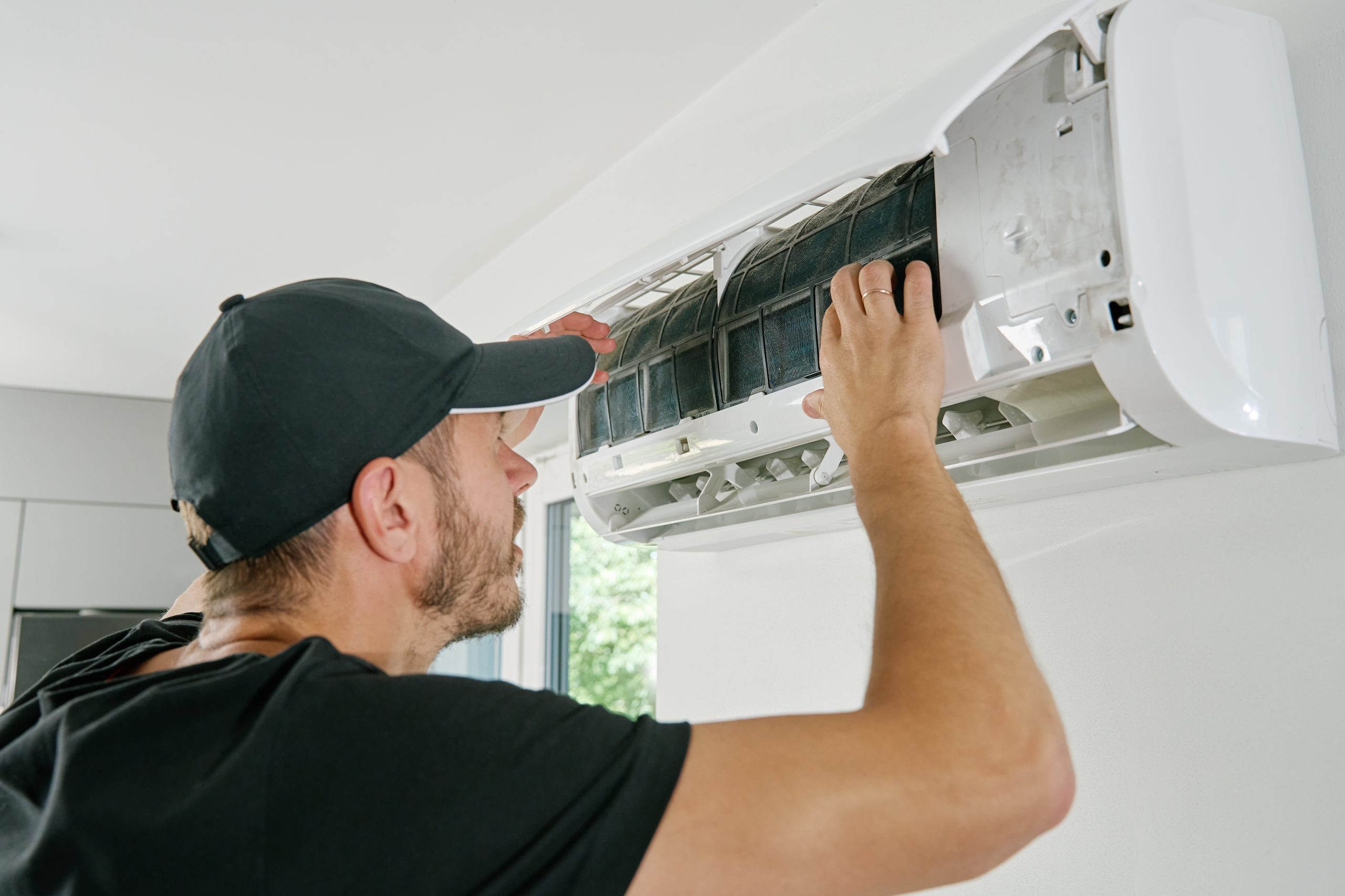
If your home fills with a musty smell every time the air conditioner turns on, it could be more than an unpleasant odor—it may indicate Mold in the air conditioner, which Orlando homeowners should address immediately. Mold can develop inside your AC unit, air ducts, and other HVAC components, affecting your home’s air quality and potentially spreading mold spores throughout every room if left untreated.
Why Orlando AC Systems Are Prone to Mold
Living in Central Florida means relying on your air conditioner almost year-round. While continuous cooling keeps your home comfortable, it also creates an environment where moisture can accumulate inside HVAC systems. Combined with Orlando’s humid climate and high humidity, condensation inside the AC system creates the perfect conditions for mold and mildew to develop.
Every time the system runs, warm air meets cold evaporator coils, producing condensation. Normally, this moisture drains away, but clogged drain lines, dirty coils, poor airflow, or excess indoor humidity can leave water trapped inside the system.
Several factors contribute to the HVAC mold Florida homeowners commonly experience:
- Constant operation during hot weather
- Excess condensation on cooling coils
- Dirty air filters are restricting airflow
- Poorly maintained air ducts
- Blocked condensate drain lines
- High indoor humidity levels
- Water leaks around the AC unit
- Limited ventilation in certain areas
Over time, this excess moisture allows mold spores to settle and multiply inside hidden components, creating persistent mold problems that often go unnoticed until odors or health symptoms appear.
Signs You Have Mold in Your AC or Ducts
One of the earliest warning signs of mold is a musty odor that appears shortly after the air conditioner starts running. Although many homeowners assume it’s simply dust burning off, a persistent musty odor often indicates microbial growth somewhere within the system.
Watch for these common signs of mold in AC vents:
- A strong musty smell whenever the AC turns on
- Visible mold around air vents
- Dark spots or discoloration near registers
- Increased allergy or asthma symptoms indoors
- Frequent coughing or sneezing inside the home
- Irritated eyes, nose, or throat
- Reduced airflow from vents
- Persistent humidity inside the house
Visible mold may only represent a small portion of the contamination. In many cases, colonies develop deep inside ductwork, around evaporator coils, or inside the air handler, where they cannot easily be seen.
The Health Risks of Mold in Your HVAC System
When mold develops inside your air conditioner, the entire HVAC system can become a distribution network for airborne contaminants. As air circulates through the ducts, mold spores travel into bedrooms, living spaces, kitchens, and other occupied areas.
Depending on the individual, exposure may contribute to:
- Allergy flare-ups
- Sneezing and nasal congestion
- Eye irritation
- Persistent coughing
- Asthma aggravation
- Headaches
- Respiratory discomfort
- Poor overall indoor air quality
Young children, older adults, and people with respiratory conditions are often more sensitive to mold exposure. Even healthy individuals may notice symptoms after prolonged exposure to contaminated indoor air.
Addressing mold early helps minimize health concerns while preventing contamination from spreading further throughout the home.
Why DIY Vent Cleaning Is Not Enough
Many homeowners attempt to remove mold themselves using disinfectant sprays, household cleaners, or products purchased at local stores. While these solutions may temporarily reduce odors on visible surfaces, they rarely eliminate the underlying source of contamination.
DIY cleaning has several limitations:
- It cannot reach deep inside the ductwork.
- Surface sprays do not fully clean evaporator coils.
- Mold hidden behind insulation remains untouched.
- Moisture problems causing mold are not corrected.
- Improper cleaning may spread mold spores into other areas.
Without addressing the moisture source, mold often returns shortly after cleaning. Professional inspection is essential for identifying hidden contamination and ensuring the entire HVAC system is properly restored.
How Professional Air Duct Cleaning Removes Mold
Professional Air Duct Cleaning goes far beyond vacuuming visible vents. Trained technicians inspect the complete HVAC system to locate contamination, identify moisture issues, and thoroughly clean affected components using specialized commercial equipment.
A professional cleaning process typically includes:
- Complete HVAC system inspection
- Moisture detection
- Inspection of evaporator coils and drain pans
- Cleaning of supply and return air ducts
- Removal of dust, debris, and microbial buildup
- Sanitization of accessible system components
- Airflow testing
- Recommendations to prevent future moisture buildup
Professional equipment is specifically designed to access areas that homeowners cannot safely reach. By thoroughly cleaning the system and addressing moisture sources, technicians help improve indoor air quality while reducing the likelihood of future mold growth.
If mold contamination is extensive, professional remediation may also be recommended to safely eliminate affected materials and restore a healthy indoor environment.
How to Keep Mold From Returning in Your AC
Preventive maintenance plays a major role in keeping your HVAC system clean and reducing future mold growth.
Follow these best practices:
- Replace air filters regularly.
- Schedule annual HVAC inspections.
- Keep condensate drain lines clear.
- Control indoor humidity below 60%.
- Repair leaks immediately.
- Keep vents unobstructed.
- Clean around indoor air handlers.
- Have your ducts clean professionally when recommended.
- Monitor your AC unit for unusual odors or moisture.
Routine maintenance not only helps prevent mold but also improves cooling efficiency and extends the life of your HVAC equipment.
Frequently Asked Questions
Why does my air conditioner smell musty?
A musty odor often indicates mold or mildew growing inside your AC system, ductwork, or evaporator coils due to trapped moisture and high humidity.
Can mold in my AC make me sick?
Yes. Mold spores circulating through your HVAC system may contribute to allergies, respiratory irritation, asthma flare-ups, and reduced indoor air quality, particularly for sensitive individuals.
How often should AC ducts be cleaned in Florida?
The frequency depends on your home’s condition, indoor air quality, pets, renovations, and humidity levels. Homes with moisture problems or previous mold issues may require more frequent inspections.
Can I remove AC mold myself?
Surface cleaning may remove visible mold temporarily, but hidden contamination inside ductwork and HVAC components typically requires professional equipment and expertise to ensure complete removal.
Breathe Cleaner Air: Schedule a Free Inspection
If you’ve noticed a persistent musty smell coming from your air conditioner, don’t ignore the warning signs. Mold can continue spreading throughout your HVAC system and home, affecting both your property and your indoor air quality. Contact Mold Remediation of Orlando today to schedule a free visual inspection. Our experienced team provides professional mold inspections, air duct cleaning, and remediation solutions to help restore cleaner, healthier air and protect your home from future mold problems. Visit our Contact Us page to get started.
