


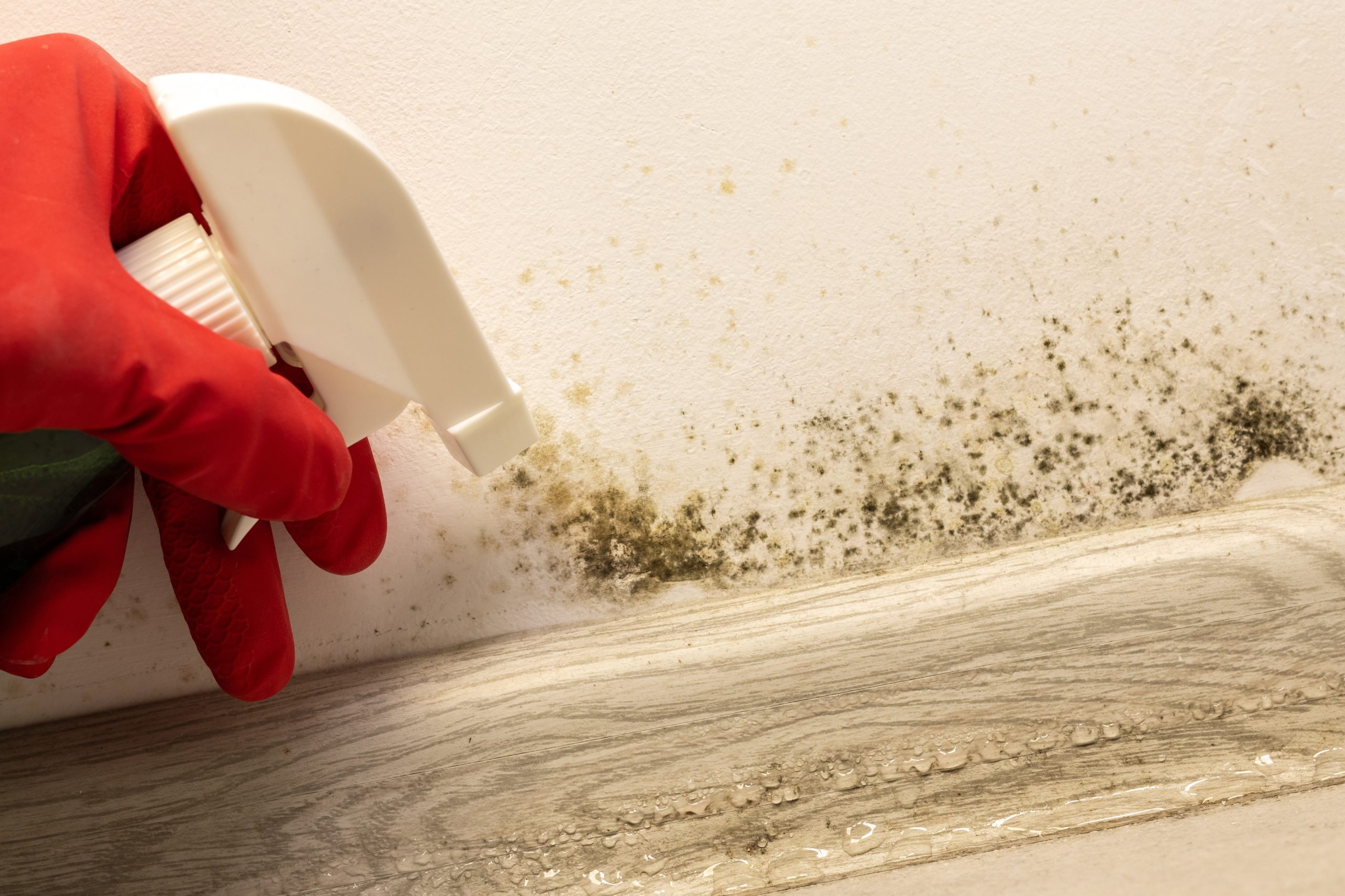
Orlando’s hurricane season brings heavy rain, flooding, and high humidity, which create the perfect conditions for preventing mold after a hurricane in Orlando to become a top priority. Because mold can begin growing within 24 to 48 hours after water intrusion, taking immediate action is essential to protect your home, your health, and your property from long-term damage.
Why Florida Storms Lead to Fast Mold Growth
Florida’s tropical climate already creates elevated humidity levels, but hurricanes and severe storms significantly increase the amount of moisture inside homes. When standing water is left untreated after storm damage, it quickly saturates drywall, flooring, insulation, furniture, and other porous materials, creating an ideal environment for mold to grow.
Unfortunately, many homeowners don’t realize that visible water is only part of the problem. Moisture trapped behind walls or beneath flooring continues feeding mold spores, allowing colonies to spread long before signs become obvious.
Common causes of mold after flooding include:
- Floodwater is entering through doors and windows
- Roof leaks caused by high winds
- Broken or leaking plumbing
- Saturated drywall and insulation
- Wet carpeting and subflooring
- Excess moisture inside crawl spaces
- Poor ventilation following a storm
Besides causing structural damage, mold presents a significant health risk, especially for children, older adults, and individuals with allergies, asthma, or weakened immune systems. The longer moisture remains, the more difficult it becomes to deal with mold and restore healthy indoor conditions.
The First 24 to 48 Hours: What to Do Right Away
The first two days after a hurricane are critical for preventing mold growth. Acting quickly can greatly reduce the chance of expensive repairs and widespread contamination.
Take these immediate steps:
- Remove as much standing water as possible.
- Open windows when the weather permits to improve airflow.
- Run fans and dehumidifiers to lower humidity levels.
- Remove soaked rugs, carpeting, drywall, and insulation if they cannot be dried promptly.
- Move furniture away from wet walls.
- Dry personal belongings immediately.
- Photograph all visible storm damage before beginning cleanup for insurance purposes.
- Contact your insurance company to report the damage.
The Centers for Disease Control and Prevention reminds homeowners that time is of the essence after flooding because mold can begin developing rapidly in damp environments. Waiting even one extra day may allow hidden moisture to create much larger mold issues throughout the property.
Where Mold Hides After Flooding
Many homeowners believe that once visible water disappears, their home is safe. Unfortunately, moisture often remains hidden inside building materials where mold continues spreading unnoticed.
Areas that frequently develop hidden mold problems include:
- Behind drywall
- Under hardwood, laminate, or vinyl flooring
- Inside insulation
- Beneath baseboards
- Inside cabinets
- Attics and crawl spaces
- Around windows and doors
- Inside HVAC systems
- Within the air conditioning system
- Around ductwork and vents
When moisture reaches these concealed areas, mold spores can circulate throughout the home, affecting indoor air quality and increasing the likelihood of widespread contamination. A persistent musty odor, unexplained allergy symptoms, or discoloration on walls may indicate hidden mold even when none is visible.
Why Professional Water Damage Restoration Matters
Cleaning up visible water alone is rarely enough to stop stormwater damage and mold. Moisture trapped inside structural materials requires specialized equipment and expertise that most homeowners simply don’t have.
Professional water damage restoration services include:
- Industrial-grade water extraction
- Commercial dehumidification
- Advanced moisture detection technology
- Thermal imaging to locate hidden moisture
- Structural drying
- Moisture monitoring
- Sanitization of affected materials
- Prevention of future mold-damaged building materials
These services remove moisture before it becomes a widespread mold problem, helping homeowners avoid costly repairs and protecting their property’s structural integrity.
If your home has experienced flooding or significant water intrusion, scheduling professional Water Damage Restoration as soon as possible is one of the most effective forms of hurricane mold prevention. Early intervention often eliminates moisture before professional mold remediation becomes necessary.
Should mold already be present, an experienced mold remediator can identify the full extent of contamination, safely perform mold removal, and restore healthy indoor conditions while helping reduce future mold issues.
How to Protect Your Home Before the Next Storm
While no home is completely immune to hurricanes, preparation can significantly reduce the likelihood of future mold after flooding.
Before storm season arrives:
- Inspect your roof annually for missing or damaged shingles.
- Clean gutters and downspouts regularly.
- Seal windows and doors properly.
- Repair plumbing leaks immediately.
- Service your air conditioning system before hurricane season.
- Schedule routine inspections of HVAC systems.
- Keep humidity below 60% indoors.
- Store important belongings above potential flood levels.
- Consider installing a sump pump where appropriate.
- Have an emergency response plan ready before severe weather arrives.
These proactive mold prevention measures can help reduce water intrusion, minimize moisture buildup, and limit the chances of developing serious mold problems after future storms.
Frequently Asked Questions
How quickly can mold grow after a flood?
Mold can begin growing within 24 to 48 hours after flooding when moisture remains inside building materials. Acting immediately greatly reduces the risk of widespread contamination.
Does homeowners’ insurance cover storm-related mold?
Coverage depends on your individual policy and the cause of the water damage. Document all damage with photos and contact your insurance provider as soon as possible after the storm.
Can I clean up flood water myself?
Small amounts of clean water may be manageable, but extensive flooding often requires professional equipment to remove hidden moisture and prevent future mold growth.
How do I know if mold is hiding behind my walls?
Musty odors, peeling paint, discoloration, warped walls, persistent allergy symptoms, or elevated indoor humidity may indicate hidden mold behind walls or beneath flooring. Professional moisture detection can confirm the source.
Act Fast: Request a Free Inspection
Every hour counts after a hurricane or severe storm. Delaying cleanup allows moisture to spread deeper into your home, increasing the risk of extensive mold growth and costly repairs. If your property has experienced flooding or water intrusion, contact Mold Remediation of Orlando today to schedule a free visual inspection. Our experienced team provides fast response, professional restoration solutions, and expert guidance to help protect your home, restore your property, and prevent mold before it becomes a much larger problem.
