


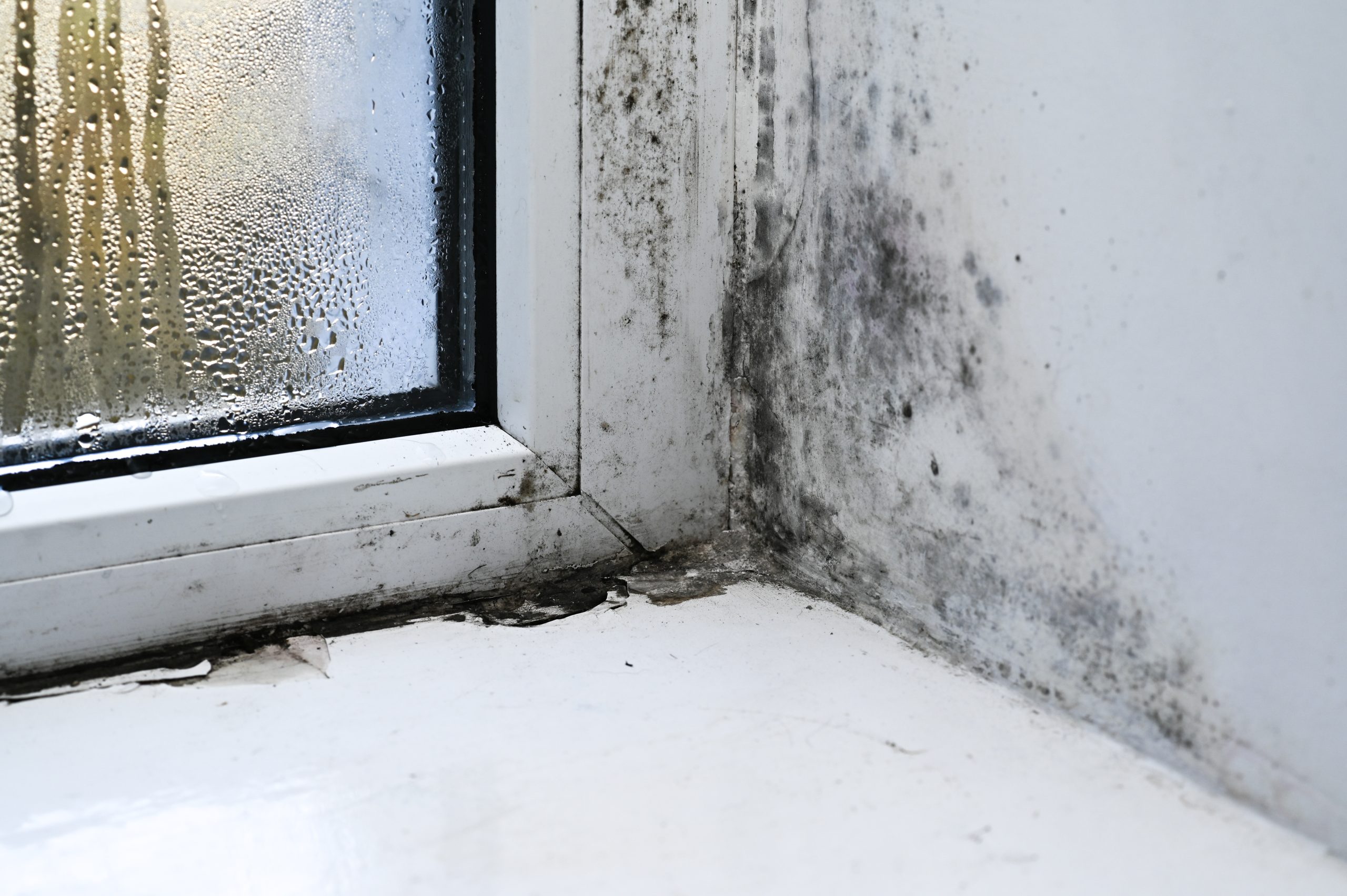
Spots on a bathroom ceiling, discoloration around windows, and damp closet odors often point to excess moisture. Understanding mold vs mildew helps you recognize when surface cleaning may be enough and when hidden damage needs attention. The most useful clues are where growth appears, the material underneath, and whether the problem returns in your home.
Is Mildew Mold?
How Mold and Mildew Are Related
Yes. Mildew is a term commonly used for certain kinds of mold, particularly flat surface growth. Mold and mildew are fungi that need moisture to grow. Although homeowners often use “mildew” for minor problems, that description does not automatically mean the growth is harmless.
Why Orlando Homes Are Prone to Both
Orlando’s high humidity makes moisture control important throughout the year. Shower steam, window condensation, plumbing leaks, and air-conditioning problems can leave surfaces damp. Poor airflow inside closets and cabinets allows moisture to linger, creating favorable conditions for mold growth.
What’s the Difference Between Mold and Mildew?
Color and Texture
The visible difference between mold and mildew usually involves appearance. Growth called mildew often looks flat, powdery, white, or gray. Other molds may look fuzzy, raised, or slimy and appear green, brown, or black. These characteristics overlap, so appearance cannot establish species or health risk.
Where Each One Grows
Homeowners commonly find mildew growing around showers, windowsills, and damp fabrics. Mold also develops on drywall, wood, carpeting, and insulation. The bathroom and kitchen are frequent trouble spots because cooking, washing, and plumbing create recurring moisture.
How Deep the Growth Goes
Small deposits on hard, washable surfaces are generally easier to clean than growth embedded in porous materials. Drywall paper and insulation can harbor contamination beyond the visible patch. The affected material helps determine whether cleaning or replacement is appropriate.
Smell
Either can produce a musty smell. Odor cannot identify the organism, but persistent smells after cleaning suggest unresolved moisture or hidden contamination. Check nearby cabinets, windows, and plumbing without disturbing suspect materials.
How to Tell Mold From Mildew at Home
The Bleach Drop Test
A popular household test involves applying bleach to a spot and watching it lighten. This does not reliably distinguish mold from mildew: bleaching changes color without proving what caused the stain or whether contamination remains. Avoid using it as a diagnostic test, particularly on drywall.
The Touch and Texture Check
When learning how to tell mold from mildew, inspect texture visually rather than touching it. Rubbing or scraping can disturb growth and release mold spores. A photograph can help you document changes without handling the affected surface.
Checking for Spread and Recurrence
If you are wondering how can you tell mold from mildew, household observations offer clues about severity rather than a definitive identification. Focus on the moisture source and affected material when deciding what to do next.
Instead of relying on color alone, monitor how the problem behaves:
- Patches spreading beyond the original location suggest continuing moisture.
- Growth returning after cleaning indicates the cause remains unresolved.
- Staining near plumbing or ceilings warrants checking for leaks.
Mildew vs. Mold on Walls
Surface Mildew on Painted Walls
Comparing mildew vs mold on walls starts with the wall’s condition. Small spots on intact, washable paint may involve surface moisture from condensation. However, cleaning away a stain does not confirm that the drywall underneath is dry or unaffected.
Mold Growing Behind or Inside Drywall
Leaks can wet drywall from behind, allowing growth before obvious surface changes develop. Bubbling paint, swollen baseboards, soft drywall, and recurring discoloration can signal water damage. Have these conditions assessed rather than cutting into the wall yourself.
Health and Property Risks of Mold vs. Mildew
What Mildew Can Cause
Even growth described as mildew may trigger allergic reactions, including sneezing, irritated eyes, or a runny nose. Mold exposure can also worsen asthma symptoms. People experiencing persistent health issues should consult a healthcare professional rather than assuming mold is the only cause.
Why Mold Is the Bigger Concern
Extensive, hidden growth is more concerning because it can affect more materials and require substantial cleanup. However, black mold is not automatically more dangerous than lighter growth. Stachybotrys chartarum is one greenish-black species, but color cannot confirm its presence. All indoor growth deserves moisture correction and appropriate removal.
How to Handle Mildew on Your Own
Cleaning Small Surface Mildew Safely
DIY mold removal may be suitable for an area smaller than approximately ten square feet on hard surfaces, provided there is no major water damage or sewage contamination.
- Wear gloves, protective goggles, and a properly fitting N95 respirator.
- Scrub suitable hard surfaces with detergent and water.
- Dry the cleaned area completely and correct the moisture source.
- Never mix cleaning products or dry-brush contaminated surfaces.
People with mold allergies, asthma, or weakened immunity should avoid removing mold themselves.
Preventing Mildew in Bathrooms, Closets, and Windows
Keep the indoor humidity level ideally between 30% and 50%. Use bathroom exhaust fans, repair leaks promptly, and dry window condensation. Leave space around stored clothing for airflow. These habits reduce damp conditions that encourage the growth of molds.
When It’s Mold and You Need a Professional
Signs the Problem Goes Beyond the Surface
Arrange professional help when growth covers a large area, repeatedly returns, affects HVAC components, or accompanies deteriorating materials. Sewage backups and extensive flooding also require specialist attention. Professional mold remediation can involve containment, contaminated-material removal, cleaning, and restoration.
How a Mold Inspection Confirms What You’re Dealing With
A mold inspection evaluates visible growth, moisture readings, and the building’s damage history. Testing may help answer specific questions, but identifying the exact type of mold is not usually necessary before addressing visible contamination. Findings help establish the scope of mold remediation.
Not Sure If It’s Mold or Mildew? Get It Checked in Orlando
At Mold Remediation of Orlando, we help homeowners investigate recurring growth, damp materials, and persistent odors. Schedule a free visual on-site assessment to discuss your concerns and determine the appropriate next steps for your property.
FAQs
Is mildew harmful to breathe?
Yes. Breathing air around fungal growth can cause irritation or trigger allergies, particularly in sensitive people. Avoid disturbing affected surfaces, address moisture promptly, and seek medical advice if symptoms persist or worsen.
Can mildew turn into mold?
No. Mildew already describes certain molds, so it does not turn into a different category of organism. However, an untreated patch can expand, darken, or become more noticeable when moisture continues supporting its growth.
Does vinegar kill mold and mildew?
Vinegar may affect some molds, but it is not a reliable treatment for every species or surface. More importantly, killing growth does not remove it. Proper cleanup requires physical removal, drying, and moisture correction.
Should I paint over mildew?
No. Painting over mold or mildew hides discoloration without correcting contamination or moisture. Clean suitable surfaces, replace damaged materials when necessary, and allow everything to dry before repainting. Mold-resistant paint helps prevent future growth on properly prepared surfaces.
