


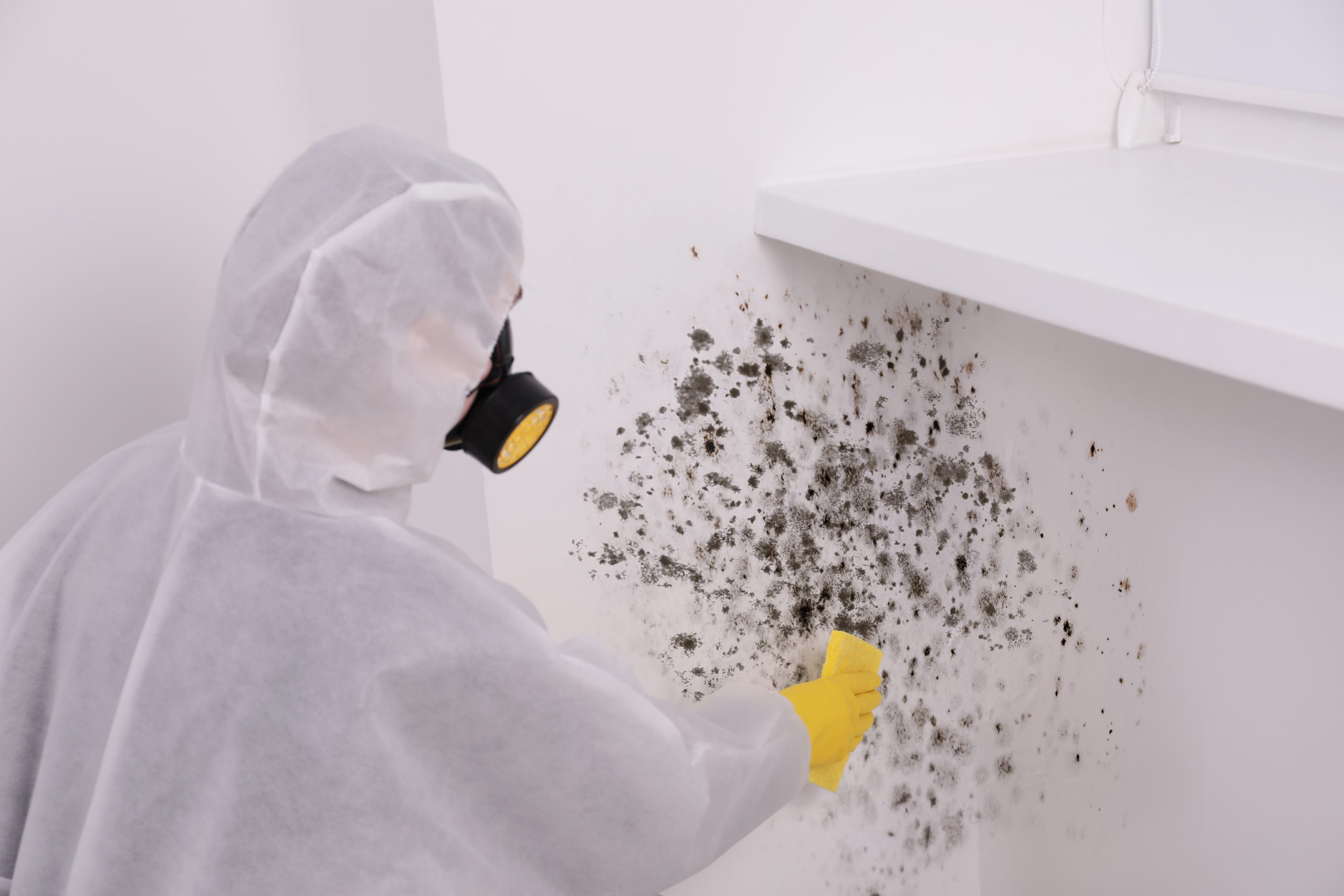
Florida’s warm, humid climate creates ideal conditions for mold, especially in attics where moisture can accumulate unnoticed. A small roof leak, poor ventilation, or trapped condensation can lead to mold growth that affects your home’s materials and indoor environment.
At Mold Remediation of Orlando, we help homeowners identify moisture problems and address mold safely. Understanding the causes, warning signs, and attic mold removal options can help you protect your property before damage becomes more extensive.
Why Mold in the Attic Is So Common in Orlando
Orlando’s humidity and frequent rainfall make attics particularly vulnerable to moisture buildup. Several common conditions can contribute to mold in attic spaces.
Heat and Humidity Trapped Under the Roof
Florida’s intense heat raises attic temperatures, while humid air can become trapped beneath the roof. When this moisture condenses on cooler surfaces, it creates conditions that encourage mold growth.
Poor Attic Ventilation
A poorly ventilated attic prevents humid air from escaping efficiently. Blocked soffit vents or inadequate airflow can leave wooden framing and roof decking damp, increasing the likelihood of mold developing over time.
Bathroom and Dryer Vents Exhausting Into the Attic
Bathroom exhaust fans and dryer vents release warm, moisture-filled air that should exit directly outdoors. When these systems discharge into the attic, excess humidity can accumulate around insulation and wooden surfaces.
HVAC Ducts and Condensation
Leaky or poorly insulated HVAC ducts may develop condensation when cool surfaces contact humid attic air. Over time, repeated moisture exposure can affect surrounding insulation, framing, and other materials.
Roof Leaks and Mold: How One Leads to the Other
A roof leak and mold often develop together because water can enter hidden areas long before homeowners notice visible damage.
Slow Leaks You Can’t See From Inside
A leaky roof may allow water to reach rafters and insulation without producing immediate ceiling stains. As moisture accumulates, hidden areas can remain damp long enough for mold to develop.
Storm and Hurricane Roof Damage
Strong winds and heavy rainfall can damage shingles, flashing, and other roofing components. Following severe weather, taking steps to prevent mold after a hurricane or storm can reduce the risk of hidden moisture damage.
How Fast Mold Grows After a Roof Leak
Under favorable conditions, mold can begin developing within 24–48 hours of water exposure. Addressing roof leaks and mold promptly helps limit contamination and prevents moisture from affecting additional building materials.
Signs of Mold in the Attic
Recognizing early warning signs can help prevent extensive repairs. When discoloration or moisture appears, a professional mold inspection can help determine whether fungal growth is present.
What Does Mold Look Like in an Attic?
Attic mold may appear as black, green, gray, or white patches on wooden surfaces. However, discoloration alone does not confirm mold, since dust, dirt, and water staining can look similar.
Dark Staining on Roof Sheathing and Rafters
Dark spots or irregular staining across roof decking and rafters may indicate prolonged moisture exposure. If these marks spread or appear alongside dampness, further investigation can help identify the underlying cause.
Damp or Compressed Insulation
Wet attic insulation may become compressed, lose effectiveness, or develop an unusual odor. Persistent moisture can also affect nearby wooden materials, making early detection important for preventing additional damage.
Musty Smells and Ceiling Stains Below
A persistent musty smell may indicate hidden moisture or mold problems. Water stains on ceilings can also signal roof damage, as explained in our guide to ceiling mold causes and warning signs.
Is Attic Mold Dangerous?
Attic mold should not be ignored, even when the affected area is separated from your main living space. Its impact depends on moisture conditions, contamination levels, and building characteristics.
Effects on Indoor Air Quality
Air movement through openings and ductwork may carry mold particles from the attic into occupied areas. Exposure can trigger irritation or allergic reactions in some individuals, making moisture control important for maintaining indoor air quality.
Structural Damage to Wood and Roof Decking
Persistent water damage can weaken wooden components and contribute to deterioration. Although mold does not necessarily indicate structural failure, prolonged moisture may encourage wood decay and compromise affected building materials.
Attic Mold Treatment Options
Effective attic mold treatment involves more than cleaning visible stains. The goal is to address contamination while correcting the conditions that allowed it to develop.
Why DIY Attic Mold Removal Is Risky
Scrubbing contaminated surfaces without proper containment may disturb mold particles and spread contamination. Attics also present electrical hazards, exposed framing, and limited working space, making professional assessment a safer option for extensive growth.
Attic Mold Remediation vs. Abatement vs. Mitigation
These terms describe related approaches to managing contamination, although their meanings can overlap. Understanding the difference between mold abatement and remediation helps homeowners evaluate their treatment options.
- Attic mold remediation: Addresses contamination and contributing moisture conditions.
- Attic mold abatement: Focuses on reducing or removing existing mold contamination.
- Attic mold mitigation: Involves measures that limit moisture exposure and further damage.
What Professional Attic Mold Removal Includes
Our approach to professional attic mold removal begins with evaluating affected materials and identifying the moisture source. Depending on the findings, treatment may include containment, HEPA filtration, appropriate cleaning, and removal of materials that cannot be restored.
Roof Leak Mold Remediation: Fixing the Source First
Successful mold remediation in attic spaces requires correcting water intrusion before treating affected surfaces. Otherwise, contamination may return.
Repairing the Leak Before Treatment
Roof repairs should address damaged shingles, flashing, or other entry points before remediation begins. When moisture has spread beyond the attic, water damage restoration may also be necessary to address affected materials.
Replacing Wet Insulation and Damaged Materials
Saturated insulation and deteriorated materials may require removal when cleaning and drying are insufficient. Once the moisture source is corrected, affected surfaces should be properly treated and dried before replacement materials are installed.
Attic Mold Prevention Tips
Preventing future growth means keeping attic materials dry and identifying moisture problems early. These practical attic mold prevention steps can help:
- Improve ventilation and airflow: Keep attic vents unobstructed and address ventilation deficiencies to reduce trapped humidity.
- Reroute exhaust fans outside: Ensure bathroom and dryer exhaust systems discharge outdoors rather than releasing moisture into the attic.
- Inspect the attic after storms: Look for water stains, damp insulation, and roofing damage when conditions are safe.
Regular maintenance helps identify small moisture problems before they require extensive repairs. Addressing ventilation issues and roof damage early can also reduce the likelihood of recurring contamination.
Schedule Attic Mold Removal in Orlando
If you’ve noticed attic mold, water stains, or a persistent musty odor, our team can help identify the next steps. Mold Remediation of Orlando offers a free on-site assessment to evaluate visible concerns and potential moisture sources.
Contact our team to schedule an assessment and learn about appropriate treatment options for your property.
FAQs
Can a roof leak cause mold?
Yes. Water entering through damaged roofing can create damp conditions that support mold growth. Even a small, recurring leak may affect insulation and wooden framing if the moisture remains untreated.
Does homeowners insurance cover attic mold?
Coverage depends on your policy and the cause of the damage. Sudden, covered water events may qualify, while long-term leaks or maintenance issues are often excluded. Learn more about mold remediation insurance coverage.
Can attic mold spread to the rest of the house?
Mold particles may move through air leaks, openings, or connected ventilation pathways. However, new growth generally requires sufficient moisture in the affected location, making moisture control essential.
How much does attic mold removal cost?
Costs vary based on the contaminated area, accessibility, affected materials, and required repairs. Our guide to mold remediation costs explains the factors that influence pricing.
